HIV / STI Testing & Care
Take care of your sexual health. Get fast, accurate, and confidential HIV & STI testing in a comfortable, welcoming clinic. Our experienced medical and counseling staff provide compassionate, judgment-free care and expert treatment you can trust. Get tested. Get treated. Get peace of mind.
Book An AppointmentNot Sure? Take Action and Get Tested.
Lauderdale Health Clinic helps you take control of your health and your life. We’re here to provide you with answers and understanding–taking away the stigma associated with STIs.
Testing: What to Know
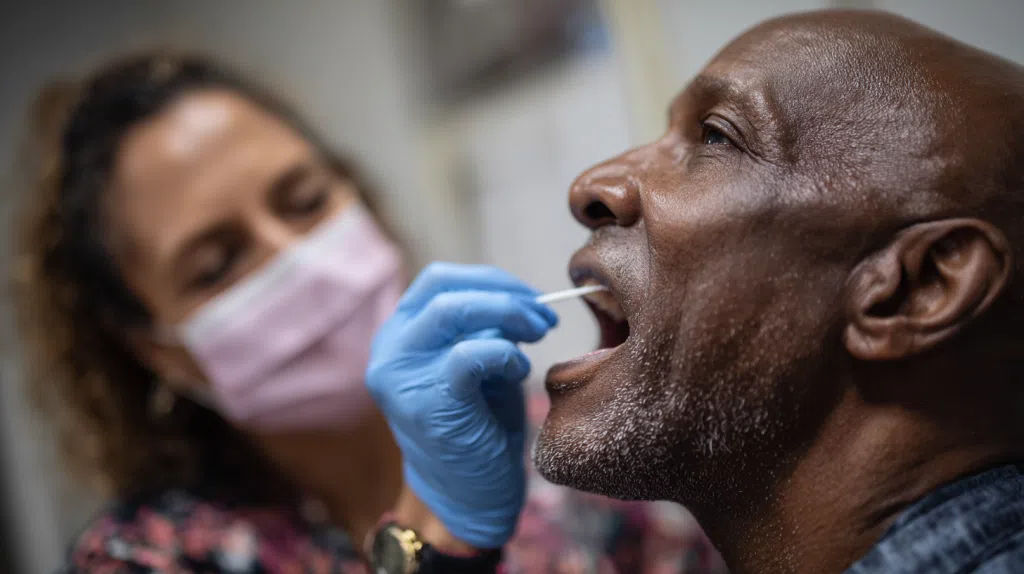
Testing is the only way to know your HIV and STI status—and knowing gives you peace of mind. At Lauderdale Health Clinic, we offer fast, accurate testing, with rapid HIV testing available for quick results.
You should consider getting tested if you:
Are sexually active
Are entering a new relationship
Have multiple sexual partners
Have sex with men (MSM)
Have symptoms of an STI
Have a sexual partner with an STI
Are pregnant and want to protect your health and your baby
Getting tested is an important step in taking control of your sexual health. Routine blood work does not automatically include HIV or STI testing, and your primary care provider may not always ask about STI-related symptoms.
STI testing uses different types of samples to check for infection. Based on your symptoms and your provider’s clinical judgment, more than one test may be recommended for accurate results. Common STI testing methods include:
Blood Test
A small blood sample taken from a vein or finger prickour care provider takes a small blood sample via syringe or possibly finger prick.
Physical Exam
A visual check for rashes, sores, or other signs of infection
Urine Test
Used to detect certain STIs
Oral / Saliva Swab
Checks for infections in the mouth or throat
Genital / Rectal Swab
Samples collected from the penis, vagina, rectum, or any sores or discharge
It’s normal to feel uncomfortable about the process, that’s why our team handles your care with respect and patience. Testing is fast and virtually painless.
Schedule A VisitGet Tested. Get Treated. Get Care — Confidentially.
Schedule A Free VisitTreatment for HIV/STI & Ongoing Care

For people living with HIV, antiretroviral therapy (ART) is the standard and highly effective treatment. ART lowers HIV to undetectable levels, helping you stay healthy and preventing sexual transmission of HIV.
Treatment options may include once-daily pills or long-acting injections given every two months. While ART is lifelong, it is extremely effective when taken consistently.
Other Viral STIs
Herpes (HSV-1 or HSV-2)
Herpes is not curable, but it is manageable with antiviral treatment. Therapy may be taken during outbreaks or daily to reduce symptoms and lower the risk of transmission.
Hepatitis B
Chronic hepatitis B may require antiviral treatment and ongoing monitoring. Acute cases often resolve on their own but still require medical follow-up.
Hepatitis C
Hepatitis C is curable with modern antiviral treatment, typically completed in 8–12 weeks.
Bacterial STIs
Gonnorhea
Symptoms can include painful urination, abnormal discharge, pelvic or testicular pain. Usually cured with antibiotics; completing treatment and treating partners is essential to prevent reinfection and complications.
Chlamydia
Common symptoms are burning during urination, abnormal discharge, pelvic or testicular pain. Curable with antibiotics; early treatment and partner treatment help prevent complications and reinfection.
Syphillis
Signs can include painless sores, rashes, fever, fatigue, but sometimes no symptoms are present. Early treatment with antibiotics can provide a cure and prevent long-term organ damage and transmission to others.
Our staff understands that receiving a positive diagnosis can feel overwhelming. We are here to support you in every step of the way, providing compassionate guidance and personalized care throughout treatment. Our goal is to help each patient access the best possible treatment to stay healthy, manage symptoms, and reduce the risk of transmission.
Find Out MoreHepatitis C: A “Silent” Infection
Hepatitis C is often misunderstood, frequently associated with stigma or assumptions about drug use, despite the fact that many people were exposed through other routes.
Symptoms are often mild or completely absent in the early stages, which is why Hepatitis C is sometimes called a “silent” infection.
Symptoms & Complications
If symptoms do occur, they may include fatigue, nausea, abdominal discomfort, joint pain, dark urine, or yellowing of the skin and eyes. Over time, untreated Hepatitis C can cause serious liver damage, including scarring (cirrhosis), liver failure, or liver cancer, even in people who felt healthy for decades.
Treatment
Hepatitis C is curable over 95% of the time. Modern antiviral medications are highly effective, usually taken for 8–12 weeks, and have few side effects. Clearing the virus significantly reduces the risk of long-term liver complications and improves overall health and quality of life.
Early testing is critical, especially because symptoms may not appear until liver damage has already occurred. With increased awareness, routine screening, and access to treatment, Hepatitis C is no longer a lifelong condition for most people.